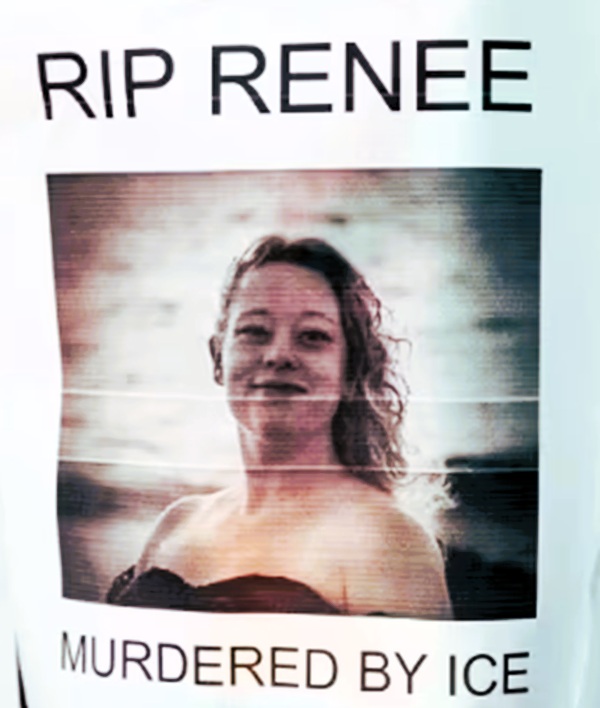
Minneapolis has been thrust into national attention after an Immigration and Customs Enforcement (ICE) officer shot and killed 37‑year‑old Renee Nicole Macklin Good during a federal immigration operation on January 7. The incident occurred in a residential neighborhood just south of downtown, not far from the site where George Floyd was killed in 2020. Witnesses recorded the shooting, and within hours, crowds gathered for a vigil and protest.
Federal officials, including Homeland Security Secretary Kristi Noem, claimed the shooting was an act of self‑defense, alleging that Macklin Good attempted to ram officers with her vehicle. Local officials, however, offered no such confirmation. Minneapolis Police Chief Brian O’Hara did not indicate that the driver posed a threat, and Mayor Tim Walz called the killing “predictable” and “avoidable.”
The victim, a Colorado native, described herself online as a writer, poet, wife, and mother. Her death marks at least the fifth fatality linked to the Trump administration’s intensified immigration enforcement operations in major U.S. cities.
A City on Edge
The Twin Cities have been tense since DHS announced a new enforcement surge tied partly to alleged fraud involving Somali residents. Officials say “hundreds and hundreds” of arrests have already been made. Protesters have responded by organizing neighborhood alerts, scanning for federal vehicles, and using whistles to warn communities of ICE activity.
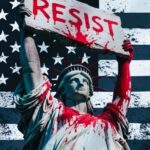
At the scene of the shooting, demonstrators confronted federal officers, chanting “ICE out of Minnesota.” Similar scenes unfolded outside the Minneapolis immigration court the following morning, where residents demanded answers and the immediate withdrawal of ICE from the city.
Sen. Tina Smith condemned the shooting, stating that a U.S. citizen had been shot during an operation lacking transparency and local coordination. She urged ICE to leave “for everyone’s safety.”
Conflict Over the Investigation
The Minnesota Bureau of Criminal Apprehension (BCA) announced that it had been removed from the investigation after the FBI reversed its initial decision to conduct a joint inquiry. Without access to evidence or interviews, the BCA withdrew entirely, saying it could not meet the investigative standards required by state law.
Governor Walz sharply criticized the federal government’s decision, insisting that Minnesota must be allowed to participate in the investigation to ensure public trust and accountability.
Minnesota Deserves Transparency, Accountability, and Protection of Civil Rights
The people of Minnesota deserve full support as they navigate this moment of fear, uncertainty, and grief. While law enforcement plays an essential role in upholding the Constitution, the actions of ICE and DHS during these recent operations raise serious concerns about transparency, proportionality, and respect for civil liberties.
This is no longer a debate about undocumented immigration alone. Many residents—immigrants, naturalized citizens, and long‑established communities — fear that the scope of enforcement is expanding in ways that threaten fundamental rights. When federal agencies operate without clear oversight, when local authorities are shut out of investigations, and when entire communities feel targeted, public trust erodes rapidly.
Scapegoating immigrants for economic challenges such as housing costs, inflation, or job scarcity distracts from the real structural issues: government policies shaped by powerful lobbying interests and a lack of accountability at the federal level. Communities should not be blamed for systemic problems they did not create.
What Minnesota needs now is:
- Full transparency from DHS and the administration about the goals, methods, and legal basis of these operations
- Independent oversight of the shooting and all related enforcement actions
- Protection of civil rights for all residents, regardless of background
- Community solidarity, ensuring neighbors look out for one another
- Civic engagement, including contacting elected representatives and participating in peaceful demonstrations
The stakes are too high for silence or complacency. Minnesotans — and Americans more broadly — must remain vigilant, organized, and committed to defending democratic principles. The path forward must be rooted in lawful oversight, community protection, and a refusal to allow fear to divide or dehumanize our neighbors.