President Donald Trump has unveiled a sweeping immigration proposal that has already ignited fierce debate. His plan seeks to halt migration from countries he disparagingly labeled as “Third World,” revoke millions of admissions approved under the Biden administration, and strip federal benefits from noncitizens. Most controversially, it introduces the possibility of denaturalization for individuals he claims undermine domestic stability.
The announcement came in the shadow of a tragic shooting in Washington, D.C., where one National Guard member was killed and another critically injured — an event Trump cited as evidence of a system under siege.
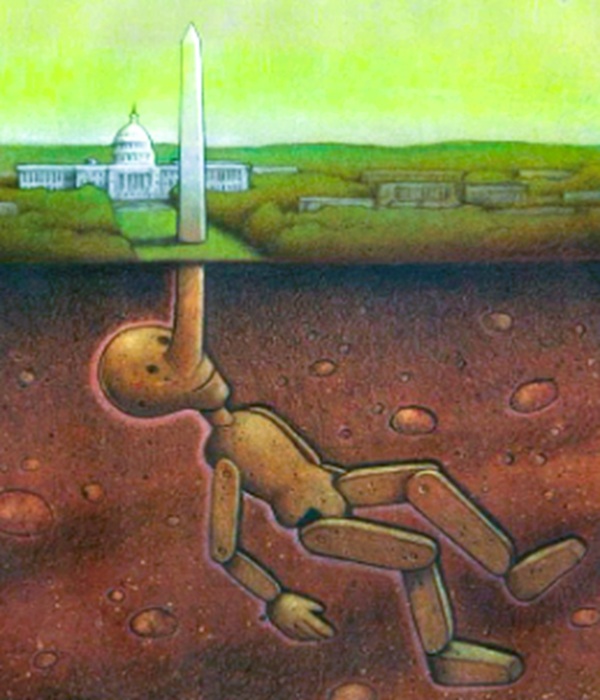
On the surface, the rhetoric is framed as a matter of national security. Yet buried within the language lies a far more insidious potential: the weaponization of immigration law against political opponents. The phrase “denaturalization for those who undermine domestic stability” is dangerously elastic. Who defines “domestic stability”? In the wrong hands, it could mean anyone who dares to dissent, criticize, or challenge the ruling party. What begins as a policy against foreign threats could easily metastasize into a purge of ideological adversaries.
This is where the line must be drawn. Yes, genuine threats to national security should be addressed — no one disputes that. But conflating political opposition with instability is a betrayal of constitutional principles. America’s strength has always been its ability to tolerate dissent, not crush it. To bend the law into a partisan weapon is to erode the very foundation of democracy.
Equally troubling is the chorus of voices pushing for deportation of those who criticize Israel, a move that reeks of foreign policy interests bleeding into domestic governance. The United States is not meant to serve as an enforcement arm for external lobbies. Immigration policy must be rooted in constitutional law, not the whims of political handlers or the demands of foreign allies.
Trump’s proposal, then, is less about fixing an “overburdened” system and more about reshaping it into a tool of control. If he truly seeks stability, he should respect the Constitution and the laws already in place, rather than twisting them to fit his agenda. America does not need a strongman’s shortcuts; it needs leaders who uphold the rule of law without exception.
In the end, this plan is not just about immigration — it is about power. And power, when unchecked, always hungers for more. The question is whether the nation will recognize the difference between protecting security and dismantling liberty before it is too late.