A series of events across the country this week has pushed the national debate over immigration enforcement into even darker and more volatile territory. From Minneapolis to Philadelphia, from tribal nations to state governments, the backlash against the Trump administration’s expanded ICE operations is growing — and so is the public’s fear that the United States is drifting into something unrecognizable.
Joe Rogan’s Warning: “Are We Really Gonna Be the Gestapo?”
On his podcast, Joe Rogan voiced what many Americans have been feeling as militarized immigration enforcement becomes increasingly visible in everyday life. Rogan criticized the deployment of National Guard troops and the aggressive street-level tactics that have resulted in U.S. citizens being detained simply for lacking identification.
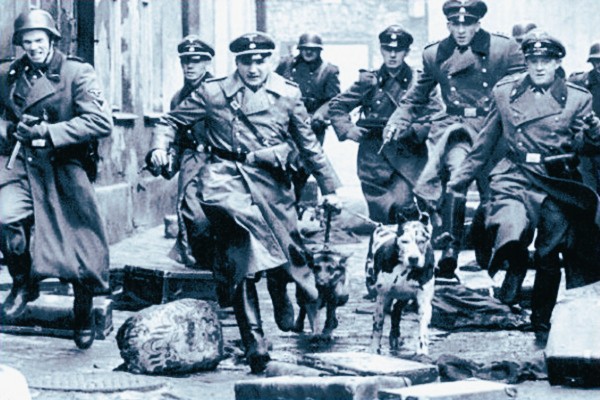
His question — “Are we really gonna be the Gestapo, ‘Where’s your papers?’” — captured a sentiment that is no longer fringe. For many, it feels like the country has crossed a line. The sense of a fuse burning down is palpable, and the political system appears unable or unwilling to correct course. Both major parties seem paralyzed, leaving people feeling abandoned by institutions that were supposed to protect them.
Oglala Sioux Tribe Members Detained: A Historic Wound Reopened
The Oglala Sioux Tribe is demanding the immediate release of tribal citizens detained by ICE in Minneapolis, arguing — correctly — that enrolled tribal members are U.S. citizens and fall outside immigration jurisdiction. The fact that three of them were transferred to the ICE facility at Fort Snelling only deepens the outrage.
Fort Snelling carries a painful legacy: it was once a military outpost where Dakota people were imprisoned during the Dakota War of 1862. As Nick Estes, a scholar and member of the Lower Brule Sioux Tribe, noted, the site symbolizes a long continuum of state violence against Indigenous people. Seeing tribal citizens detained there in 2026 feels like history repeating itself.
For many of us who remember the post‑9/11 expansion of federal security powers — the Patriot Act, the birth of DHS — this moment feels like the culmination of warnings that went unheeded. A parallel security apparatus has grown so powerful that even constitutional protections seem unable to restrain it.
States Push Back: Minnesota and Illinois Sue to Stop ICE Deployments
In an extraordinary move, Minnesota and Illinois have filed lawsuits seeking to halt or limit the mass deployment of ICE agents within their borders. Their legal argument is blunt: the federal government is violating constitutional rights and targeting states for political reasons rather than public safety.
Minnesota’s complaint states that freedom from unlawful seizures, excessive force, and retaliation are not privileges — they are rights. The fact that states now feel compelled to sue the federal government to protect their own residents underscores how deeply fractured the nation has become.
Communities Organize: Black Panther Party and Local Activists Respond
In Philadelphia, members of the Black Panther Party for Self-Defense appeared at an anti‑ICE protest carrying legally owned firearms — a symbolic reminder that communities will not remain passive in the face of escalating federal force. Their message was clear: ICE should be abolished, and the administration must be held accountable.
Activists warned that what happened in Minneapolis could happen anywhere. As one speaker put it, “If you do not act, ICE will continue to kidnap and disappear members of our community every single day.” Philadelphia’s District Attorney Larry Krasner even issued a public warning to ICE agents that criminal behavior in his city would not be tolerated.
The sense of communities bracing themselves — preparing to defend their neighbors, their rights, and their dignity — is unmistakable.
Another Flashpoint in Minneapolis: A Disabled Woman Dragged From Her Car
Just days after the killing of protester Renee Nicole Good by an ICE agent, another disturbing incident unfolded in Minneapolis. Video captured federal agents dragging a disabled woman from her vehicle as she screamed that she was trying to get to a medical appointment and was terrified to drive forward.
Her fear was not abstract — she explicitly referenced Good’s death, saying she didn’t want the same thing to happen to her. ICE officials responded by stating they would arrest anyone who “interferes” with enforcement actions, a statement that many saw as chillingly broad.
Watching the footage, it’s clear the woman was caught between protesters and agents, overwhelmed and afraid. Instead of de‑escalation, she was met with force.
A Nation Losing Its Balance
Taken together, these stories paint a picture of a country in crisis. Federal power is expanding in ways that many Americans view as unconstitutional and dangerous. Communities feel cornered. States are suing the federal government. Indigenous citizens are being detained despite clear legal protections. And ordinary people — including disabled individuals — are being swept into confrontations they never sought.
The system feels like it is operating exactly as designed, but that design no longer serves the people living under it. Something fundamental is breaking, and the public’s trust in institutions is eroding faster than those institutions seem capable of responding.
The question now is not whether Americans are angry — they are. The question is what constructive, lawful, and collective actions can be taken to restore accountability, protect civil liberties, and rebuild a government that actually represents the people it claims to serve.